 Farnborough
 Nice
Nice
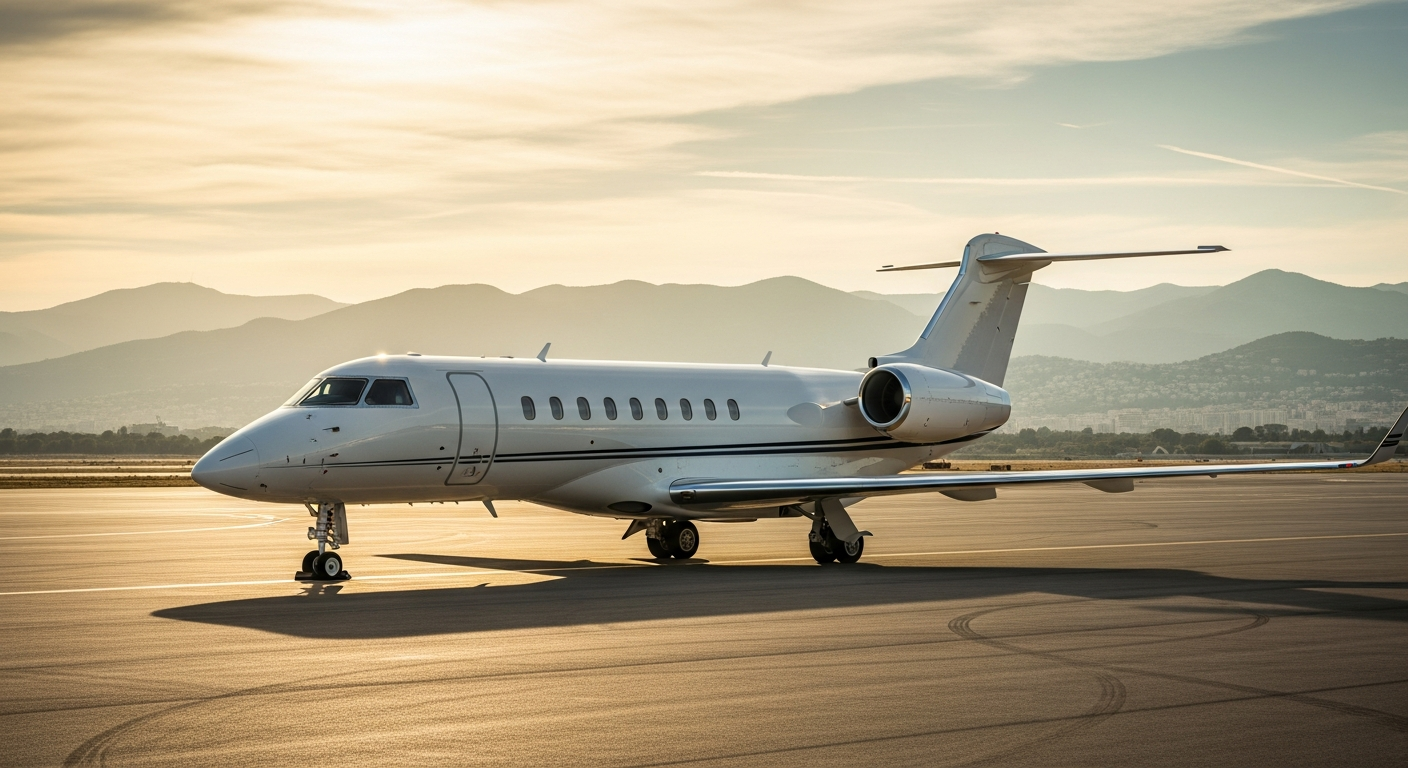
Why Monaco Grand Prix Is the One F1 Race Where Flying Private Makes Practical Sense
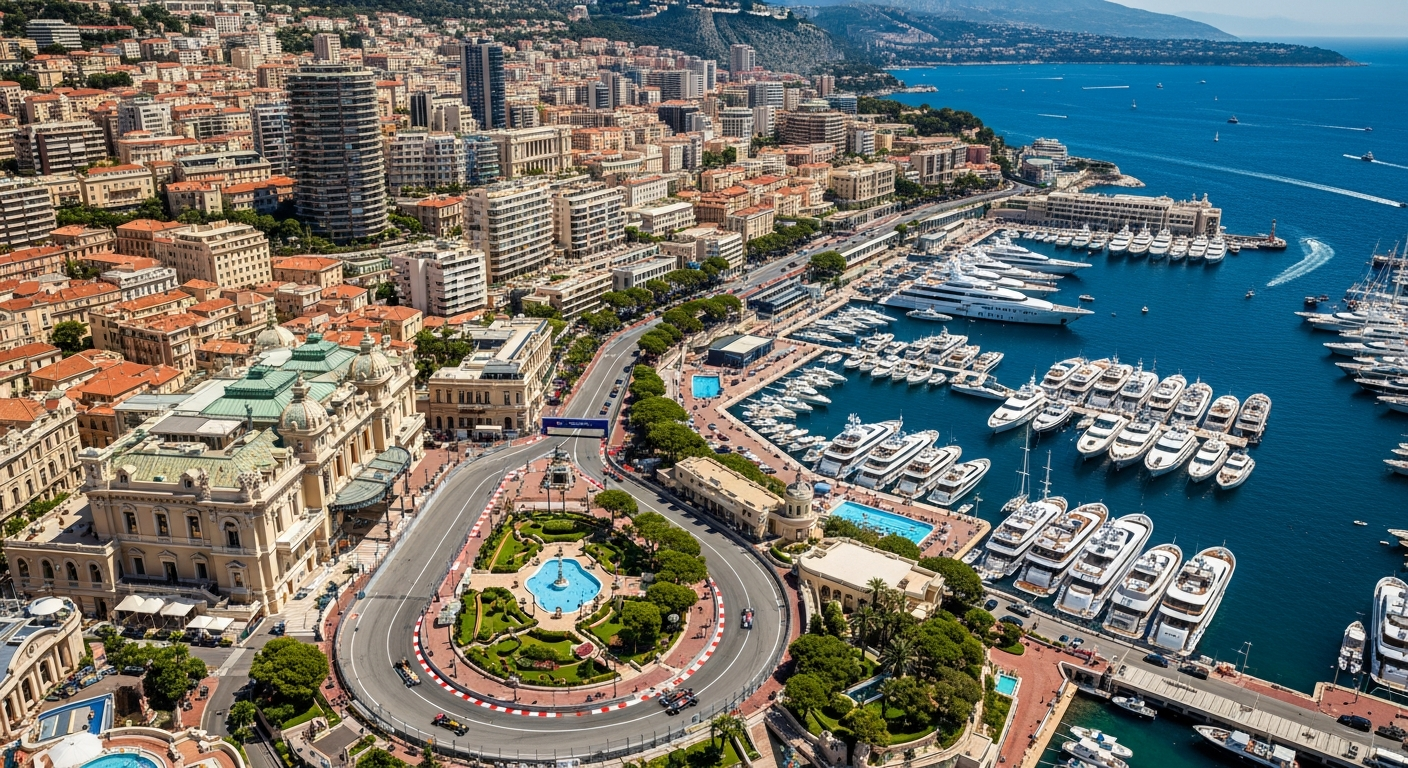
Every race on the Formula 1 calendar has its own logistics problem. Monaco has all of them simultaneously. During Grand Prix weekend in late May, the Principality, barely two square kilometres of land, absorbs 200,000 spectators, thousands of superyachts, and the full weight of F1's commercial circus, while functioning as a living road circuit.
No other race on the calendar combines these pressures in the same way. Silverstone has room to expand around it. Monza has the motorway network of northern Italy. Spa sits in open countryside that can absorb traffic in multiple directions.
Monaco is bounded by the sea on one side and the rock face on the other, with exactly one road in and one road out for most of its street network. The geography makes the logistical problem permanent, not seasonal.
The transfer from LFMN Nice Côte d'Azur to Monaco under normal conditions takes 25 minutes. During Grand Prix weekend, the same journey routinely takes three to four hours. The A8 motorway stops moving. Taxis queue. The Promenade des Anglais backs up before dawn on race day. Private transfers, however professionally arranged, cannot physics their way out of the congestion.
For a private jet Monaco Grand Prix 2026 charter, the practical calculation is straightforward: you are not choosing between levels of comfort, you are choosing between being in Monaco on time and not being in Monaco on time. Boats operate on water. Helicopters operate on air. Everything else is subject to what the road network can absorb, which on race weekend, is very little.
The added complication is that Nice airport itself operates at capacity during the Grand Prix. Slots for private aircraft disappear months before the event. Handling fees at FBOs spike sharply. Congestion on the ground mirrors congestion on the roads. Arriving without a confirmed slot and a ground plan means you have solved the wrong problem.
The Best Airports for Monaco GP: Nice, Cannes Mandelieu, and the Monaco Héliport
LFMN Nice Côte d'Azur remains the primary arrival point for private aviation into the region. It has the infrastructure: multiple FBO handlers, a runway wide enough for large-cabin aircraft up to and including the Gulfstream G650ER and Bombardier Global 7500, and direct Héli Air Monaco connections to Monaco Héliport (LNMC). Capacity, however, is its limiting factor.
During the Grand Prix, the airport handles roughly ten times its usual private traffic. Slot windows compress. Handling fees at facilities including Signature and Jet Aviation reflect the demand. Expect parking costs significantly above their off-season rates.
Cannes Mandelieu (LFMD) is the intelligent alternative for aircraft up to Citation Longitude or Falcon 8X size. The airport sits approximately 40 kilometres west of Monaco. Its runway limits it to mid-size and lighter jets, no heavies, but it is substantially less congested during the Grand Prix than LFMN, which often means faster ground handling, faster departure sequences, and simpler logistics. From LFMD, the road transfer to Monaco takes approximately 50 to 60 minutes outside peak congestion periods, with helicopter connections available for those who want to close the gap quickly.
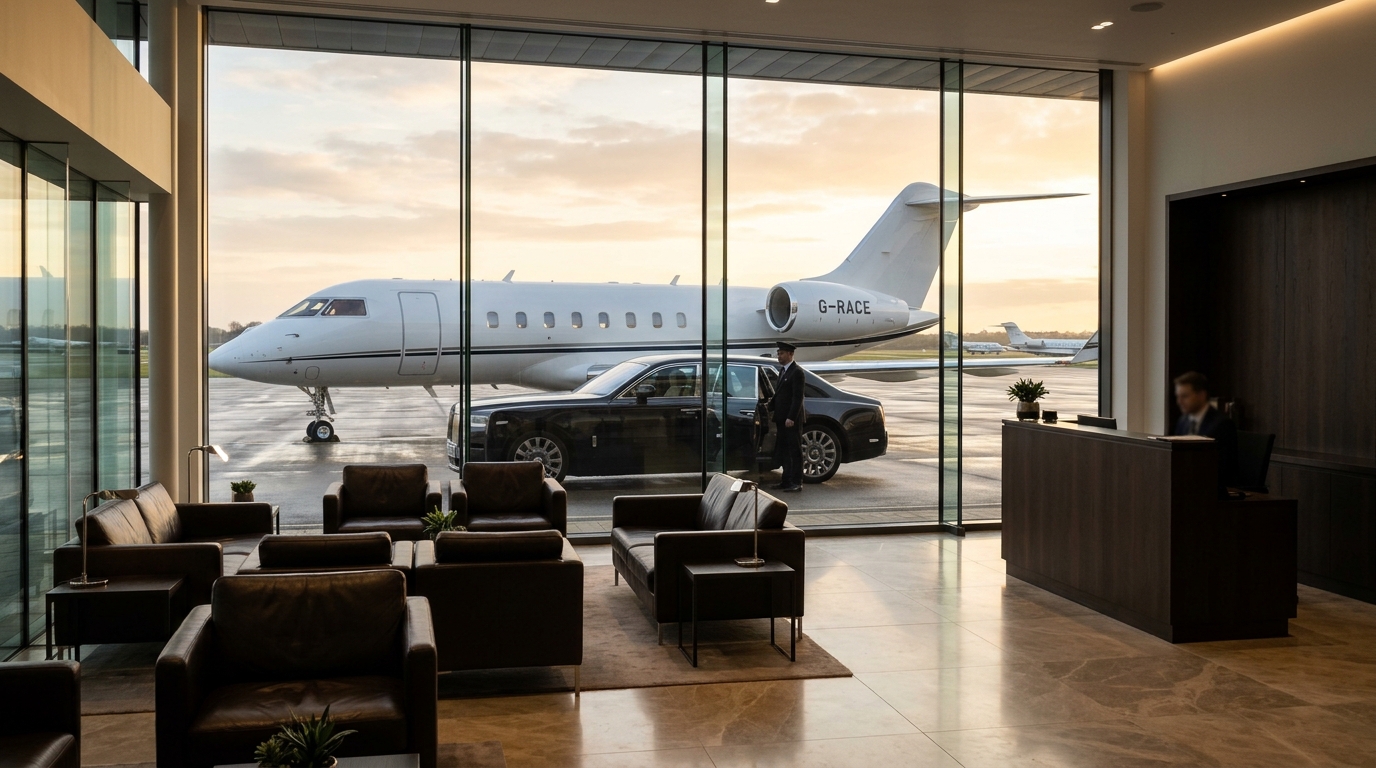
Monaco Héliport (LNMC) in Fontvieille is the endpoint of choice for those arriving at LFMN. The Héli Air Monaco service runs scheduled connections between Nice and Monaco in approximately seven minutes, with private helicopter charter available for on-demand transfers. For a private jet Monaco Grand Prix 2026 itinerary structured correctly, the approach is: land at Nice, clear the FBO, transfer directly to the Héli Air stand, and arrive in Monaco proper in under an hour from wheels-down. It is a clean sequence when booked in advance; it becomes unreliable when improvised on the day.
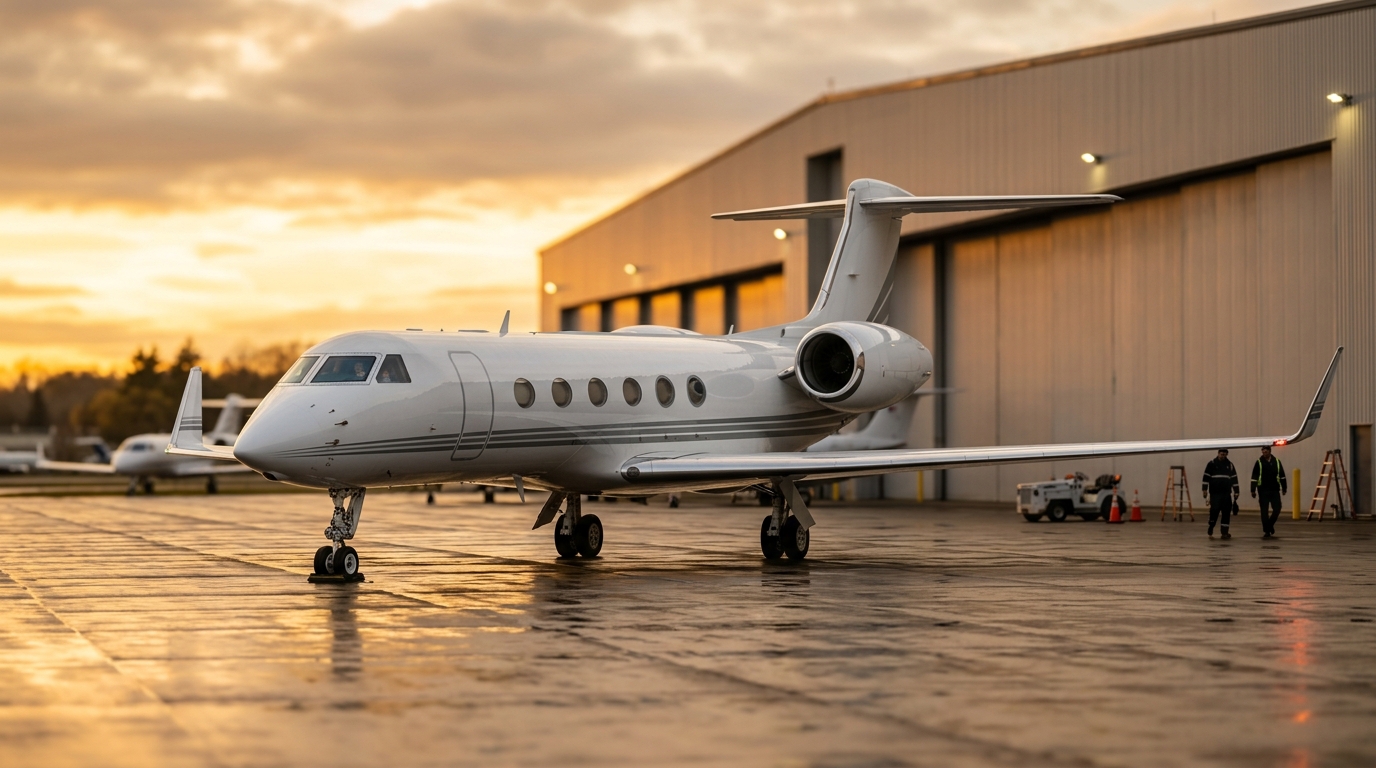
For aircraft originating from shorter European sectors, London Farnborough (EGLF), Geneva (LSGG), Zurich (LSZH), or Paris Le Bourget (LFPB), LFMD offers a genuine operational alternative worth planning into the itinerary from the outset rather than treating as a fallback.
Choosing the Right Aircraft for the Monaco Weekend
The aircraft decision for Monaco is driven by three variables: origin airport, group size, and cabin requirements for what is, in many cases, a long-weekend away rather than a day trip.
For groups of two to four passengers flying from UK departure points, EGLF Farnborough, London City (EGLC), or Edinburgh (EGPH), a light jet is operationally sound. The Embraer Phenom 300E covers the London-Nice sector in approximately two hours, carries four passengers with comfortable baggage allowance for a long weekend, and prices in the region of £14,000 to £18,000 return depending on positioning and timing.
Groups of four to eight passengers should be looking at midsize. The Cessna Citation Longitude is a strong choice: a 2.1-metre cabin interior height, genuine transatlantic range in its class, and the reliability record that matters when you need to depart Monaco on Sunday evening ahead of 200,000 other people. The Dassault Falcon 8X suits larger groups or those requiring the flexibility of routing via a second stop; its trijet configuration means it can operate into shorter strips that twin-engine alternatives cannot.
For those travelling in pairs and prioritising cost within charter options, a turboprop can access smaller airstrips near the Côte d'Azur that jet traffic cannot reach, at a lower sector cost than equivalent light jets. For a two-person trip from a UK regional airport with short notice, it merits a conversation with your broker alongside the standard light jet options.
For larger parties, the long-haul heavies come into their own when the origin point is transatlantic. A private jet Monaco Grand Prix 2026 charter from New York Teterboro (KTEB) or Miami Opa-Locka (KOPF) to Nice positions a Gulfstream G650ER or Bombardier Global 7500 as the natural vessel: thirteen-plus passengers, full flat-bed seating, and a westbound departure that can be timed to miss the post-race congestion entirely. Return sector costs for a transatlantic heavy into Monaco Grand Prix weekend run from £180,000 upward.
One practical note for any arrival into LFMN: confirm with your charter broker that your specific aircraft type has confirmed parking reserved, not just a landing slot. Wing-tip clearances at the private terminal aprons are tighter than they look on charts.

When to Book — and How Far in Advance
The 2026 Monaco Grand Prix takes place across the weekend of 21 to 24 May. Landing slots at LFMN for the Thursday to Sunday window are typically secured by operators and brokers from January onwards. By March, the available inventory is materially thinner. By April, you are managing a slot-trading problem, not a booking problem.
The standard advice on any major event charter is "book early." The Monaco advice is more specific: book by the end of January for the 2026 event, and negotiate your departure slot simultaneously with your arrival slot. The Sunday post-race departure window at Nice is as congested as the arrival, with dozens of aircraft attempting to sequence out across the same two-to-three hour window. Operators who pre-book their departure slots hold a significant advantage.
The broader point is that Monaco rewards early decision-making in every dimension. Yacht berths in Port Hercule begin receiving reservation requests in October for the following May. Grandstand tickets for premium positions sell through the Automobile Club de Monaco and are often exhausted by December. The private jet charter is not the long lead item in the Monaco Grand Prix weekend; it is one of several long lead items, all of which compete for attention simultaneously.
For private jet Monaco Grand Prix 2026 arrangements, the itinerary structure that works best is: arrive Thursday or Friday to avoid the qualifying-day peak on Saturday, and plan the departure for either Sunday evening or Monday morning. A Monday departure extends the weekend into something genuinely enjoyable rather than a race out of the Principality.
Empty leg opportunities into Monaco for Grand Prix weekend are rare and unreliable. Operators know demand is absolute and price accordingly. Do not build your weekend plan around finding an empty leg. Agree a full charter rate with a broker who has confirmed positioning.
Making the Most of the Weekend: Hospitality, Yachts, and Getting Around the Principality
Once in Monaco, the calculus of the weekend shifts entirely. The Principality moves on foot, by tender, or by superyacht. Cars are largely irrelevant; the roads that are not closed for the circuit are clogged with spectators moving between the Casino, the harbour, and the grandstands.
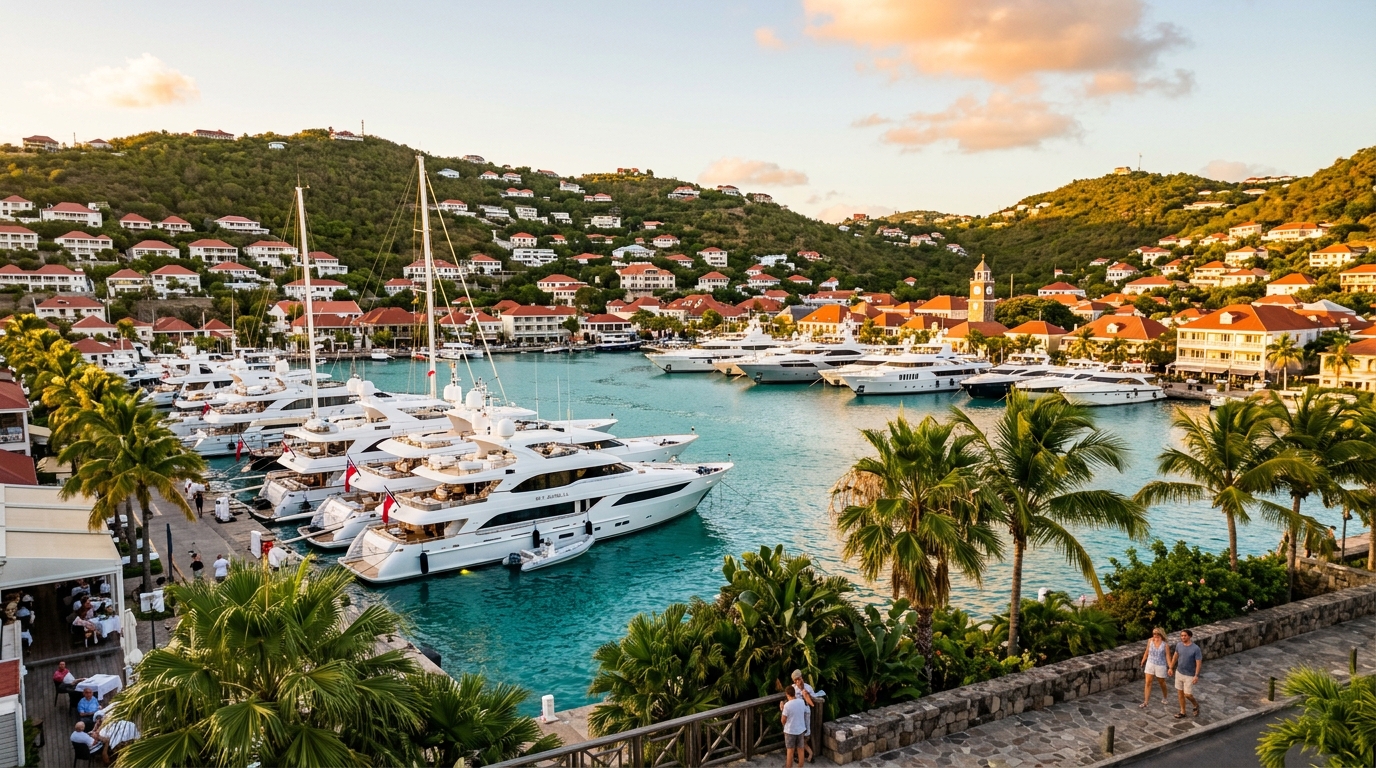
The harbour at Port Hercule is the social centre of the weekend. Yacht hospitality ranges from a shared deck on a 30-metre motor yacht to a full 70-metre charter with race-viewing platforms and private catering. The overlap between those arriving for the private jet Monaco Grand Prix 2026 experience and those spending the weekend aboard is substantial: a yacht berth in the harbour provides not just hospitality but genuine proximity to the track, a private viewing angle on the swimming pool section, and a social base that removes the dependence on the cramped restaurant infrastructure ashore.
Grandstand access requires advance reservation at the same timescale as your charter. The Rocher grandstand and the Tribune B sections facing the tunnel exit are the premium viewing positions; they sell at a premium and do not reappear last-minute. F1 Experiences packages include paddock access, garage tours, and team hospitality, but these need to be built into the booking before February for the 2026 race.
Getting around Monaco during race weekend is primarily a matter of accepting that horizontal distance means very little. The walk from the Héliport in Fontvieille to the harbour is 15 minutes. The walk from the harbour to the grandstands at La Rascasse is five minutes. The circuit, once you are inside Monaco itself, is navigable on foot more efficiently than any vehicle.
Hotel room rates in Monaco for Grand Prix weekend are genuinely extraordinary, with four-night minimums common at leading properties. Many visitors who charter a private jet into the event find that the total accommodation cost rivals or exceeds the charter itself. Yacht accommodation eliminates that calculation entirely, which is one practical reason the yacht-and-jet combination remains the default for those who have done the race more than once.