 Farnborough
 Nice
Nice

Why artists charter private jets on tour
Touring is a moving operation. It is not just the artist, but managers, security, production, stylists, assistants, and technical crew. Many tours also require the artist to arrive with enough time for rehearsals, press commitments, meet and greets, and performance preparation. Private charter allows the itinerary to be built around the show, rather than forcing the show to fit around airline schedules. It reduces downtime, avoids missed connections, and allows late-night departures after performances. It also provides privacy. High-profile artists often need controlled movement through airports, especially during festival season or international tours.
The biggest advantage: tour routing flexibility
A well-designed tour route is about momentum. When you lose a day to travel, you lose more than time. You lose rehearsal quality, rest, and operational rhythm. Private aviation allows tours to operate on routes that commercial airlines do not support well, such as direct flights between smaller cities or late-night repositioning between festival stops. This is especially useful in Europe where multiple countries can be covered quickly, and in the US where connecting flights can add unnecessary delays. Tours often use charter to create “same-day” performance schedules that would be unrealistic commercially.

Airports matter more than people realise
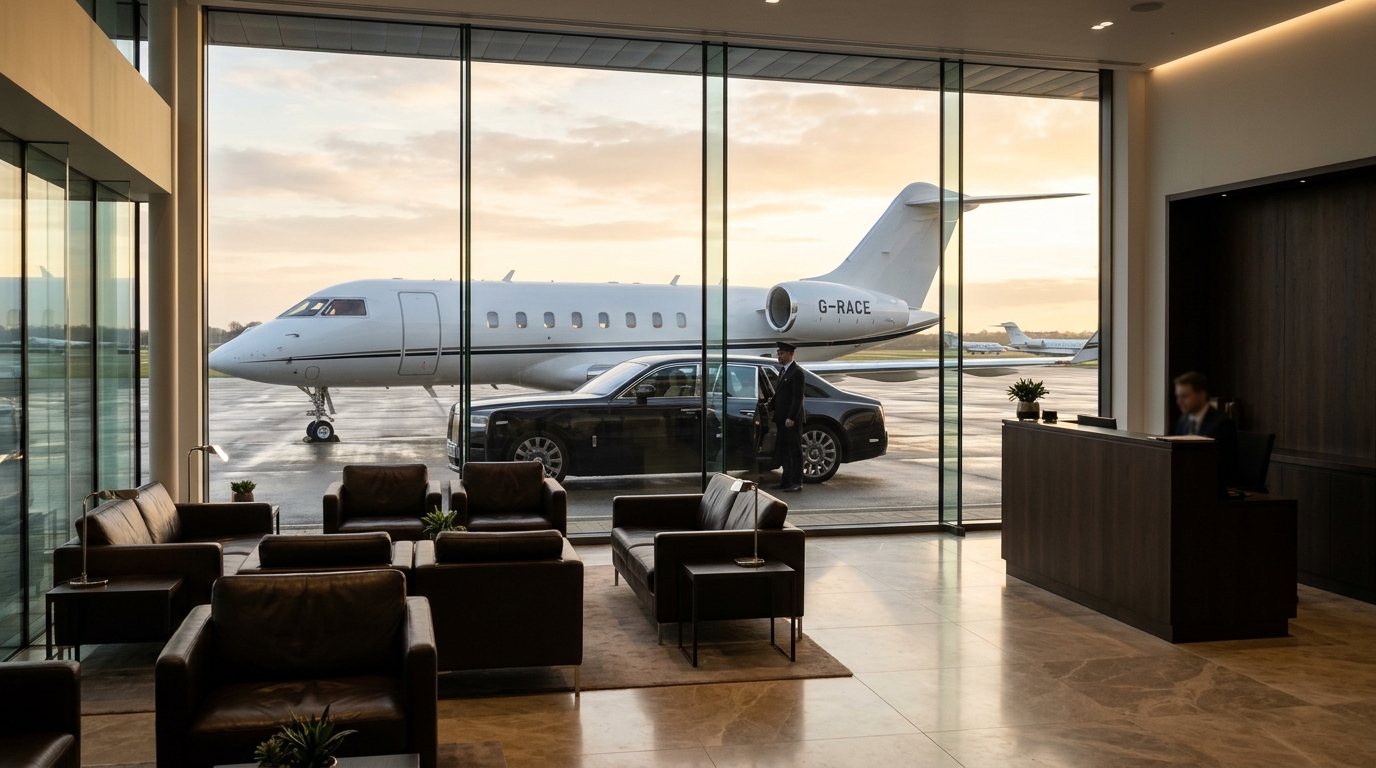
For touring, the best airport is usually not the main international hub. It is the airport closest to the venue, with reliable handling and less congestion. Smaller airports can reduce ground transfer time, lower the risk of delays, and simplify security logistics. This becomes crucial when an artist is travelling under time pressure, or when the crew needs to move directly into production setup. A good charter plan considers where the convoy of vehicles will stage, where security will meet, and whether the airport has strong VIP facilities.
Equipment and luggage planning for touring artists
Touring luggage is not normal luggage. Even small tours may involve multiple instrument cases, wardrobe trunks, production gear, and personal luggage for a team. This is why aircraft selection is often driven by baggage volume rather than passenger count. A group of six may require a midsize or super midsize jet if they are travelling with large cases. You should plan luggage early and confirm:
- approximate number of cases
- oversized items (guitars, drum hardware, wardrobe racks)
- whether anything must remain in the cabin
- any fragile items requiring special handling Choosing the wrong aircraft can create last-minute stress, especially when the hold space is limited.
Crew coordination and productivity in flight
Tours run on communication. When key staff are scattered across commercial flights, production planning becomes fragmented. Charter allows the core team to travel together, hold briefings mid-flight, and arrive aligned. This is particularly valuable during festival runs where the schedule changes rapidly and decisions need to be made in real time. A private cabin becomes a quiet workspace, not just a transport method.
Touring internationally: passports, visas, and planning
International touring adds another layer: documents, entry rules, and timing. For European tours, travel can be relatively straightforward, but passport validity and visa requirements should always be checked early, especially when the itinerary crosses multiple borders quickly. For US tours, ESTA and visa requirements can apply depending on nationality. For Middle East stops, advance approvals may be required. A professional charter partner will ask for passenger details early enough to avoid last-minute compliance issues. For official entry requirements by destination, a reliable reference is the IATA Travel Centre: https://www.iatatravelcentre.com/

Peak tour seasons: why availability gets tight
Private aviation demand spikes during predictable periods:
- summer festival season (Europe and US)
- December holiday events and private performances
- award season travel in Los Angeles
- major sports and entertainment weekends During these windows, aircraft availability tightens and pricing becomes less flexible. If your tour is built around fixed performance dates, it is usually worth reserving key travel legs early. Conclusion A successful music tour depends on consistency. Private jet charter is often used because it protects the schedule, reduces fatigue, keeps the team together, and gives touring managers more control over routing and timing. The biggest wins come from planning baggage requirements early, choosing the right airports near venues, and building a realistic buffer around peak demand periods.