 Farnborough
 Nice
What an Empty Leg Flight Actually Is (and Why Operators Sell Them)
An empty leg from Farnborough (EGLF) to Nice (LFMN) can be priced at £6,500 on a Tuesday and withdrawn by Thursday, and neither movement is a mistake. Both follow from the way these flights come into existence.
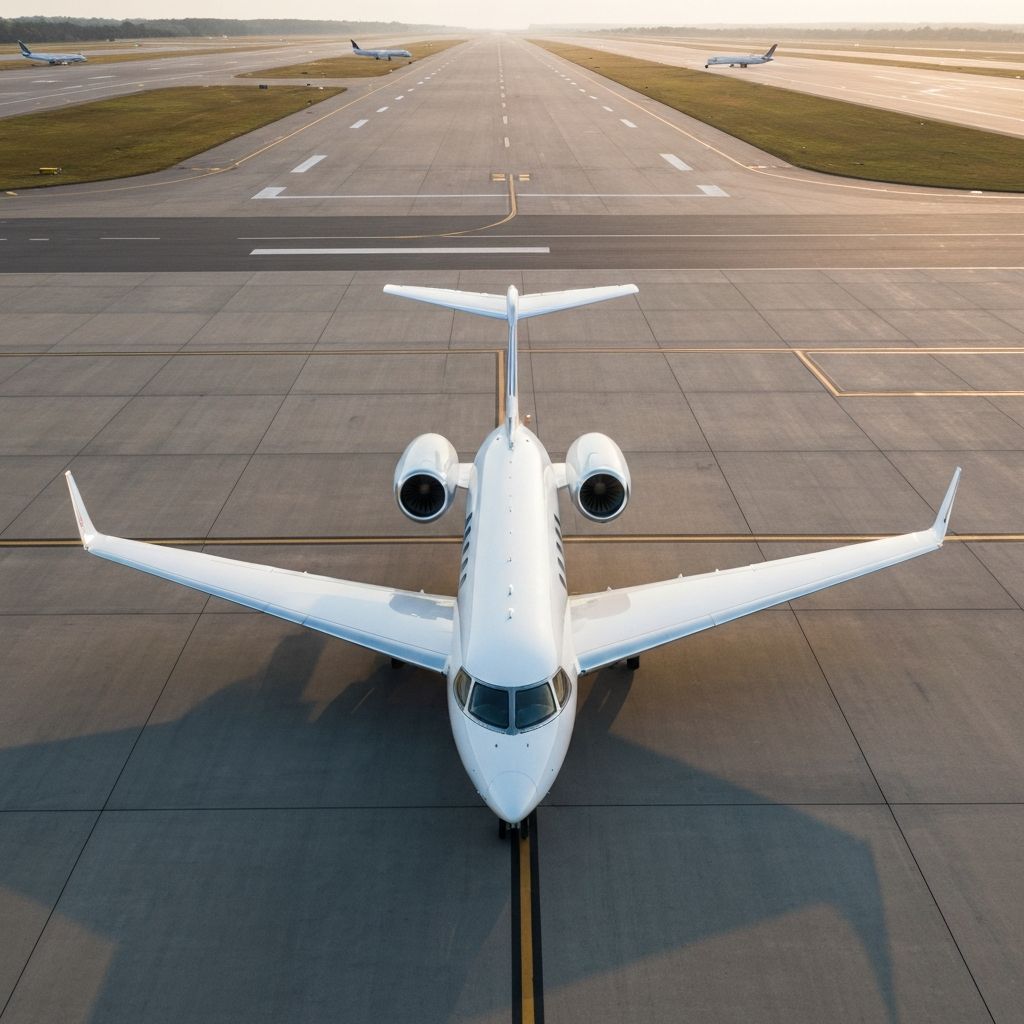
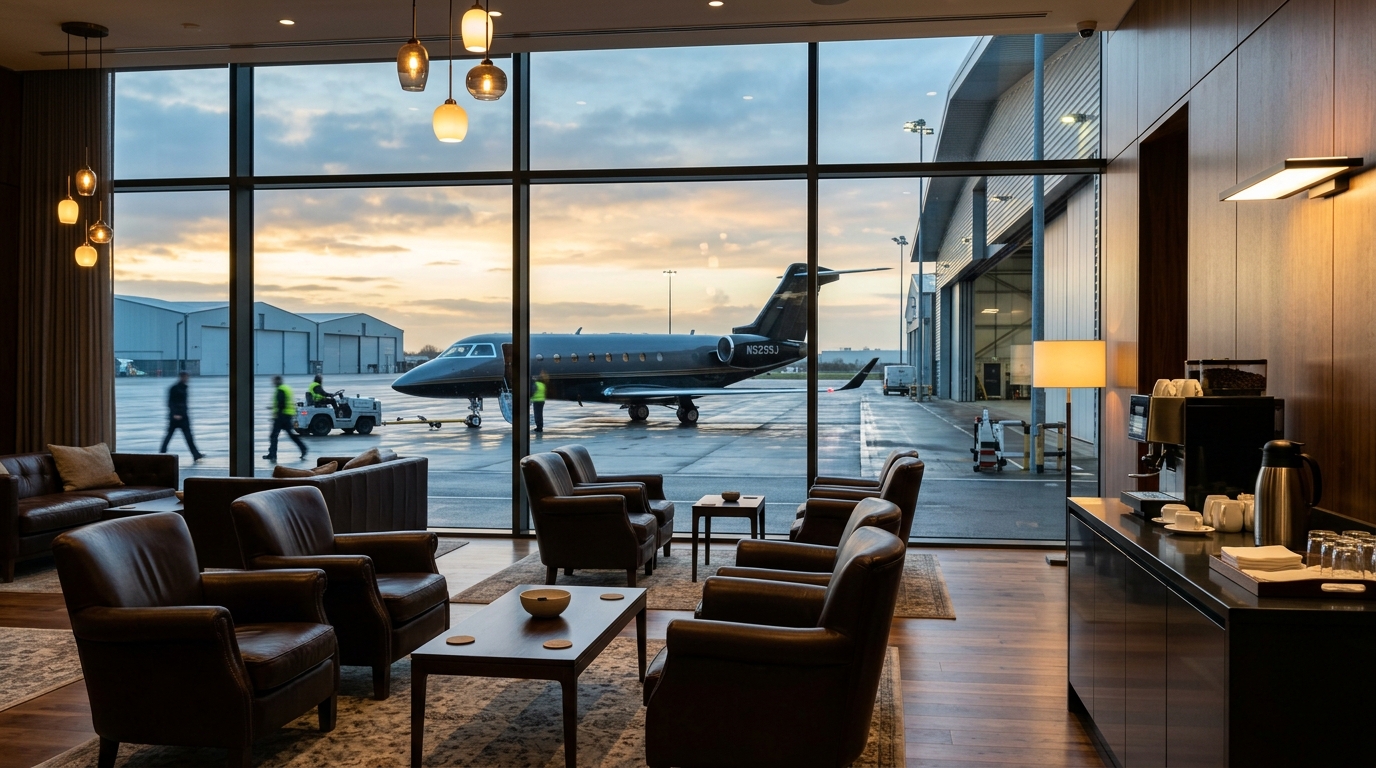
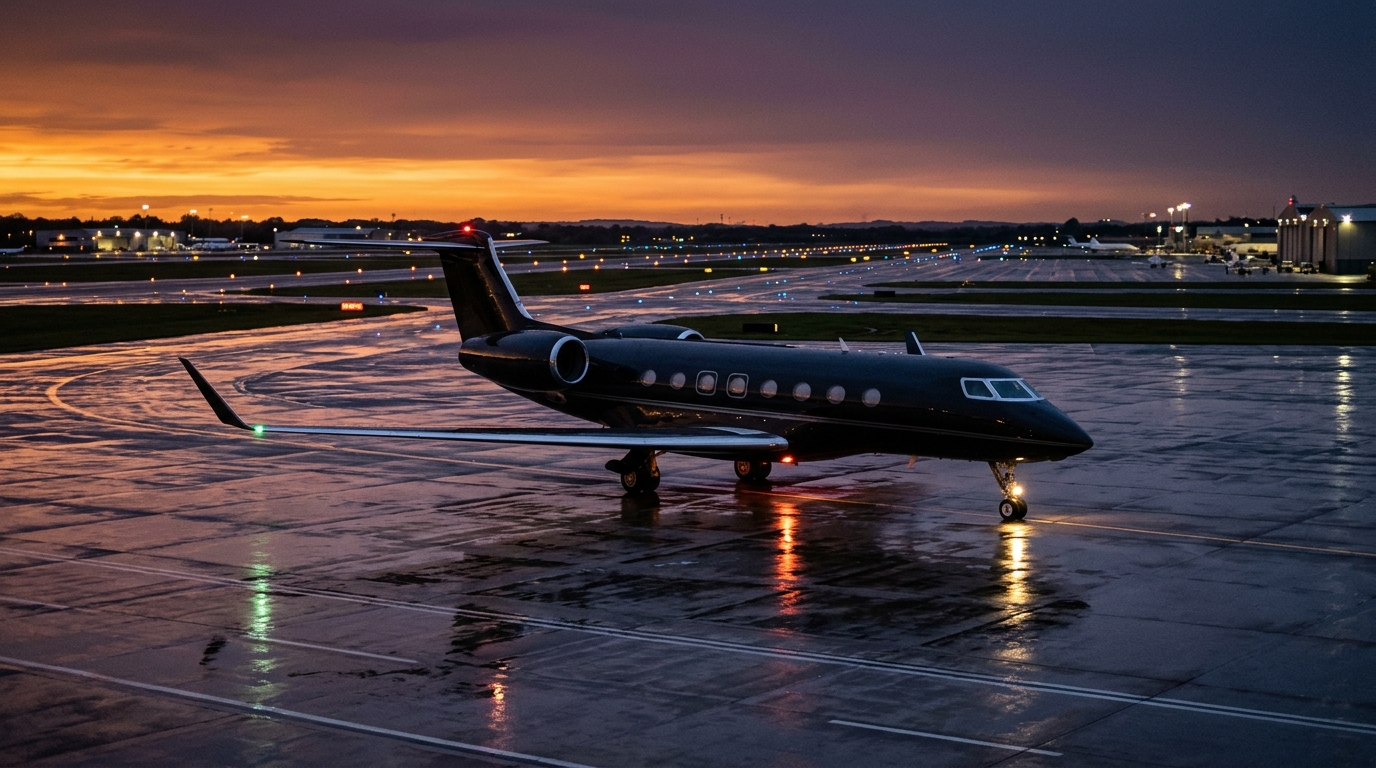
A client charters a Cessna Citation XLS+ from London to Nice and stays a week. The aircraft cannot sit on a Côte d'Azur apron for seven days, paying parking and tying up a crew, so it flies home empty or moves on to wherever its next booking starts. That unpaid sector is the product. Empty leg flights are one-way seats on a jet that was always going to make the journey.
For the operator, the arithmetic is simple. Fuel on a two-hour midsize sector costs roughly £1,500 to £2,000 by our estimate, and crew, handling and insurance are committed whether or not anyone sits in the cabin. Any price that covers those costs and leaves a margin beats flying empty, so operators accept less than they would ask on a flight they had to create.
Two kinds exist, and they behave differently. A return empty leg follows a client's outbound charter, and its date is usually known weeks ahead. A positioning empty leg appears when an aircraft must move to start a booking elsewhere, often with less than 72 hours' notice. The first is predictable; the second tends to carry the sharper prices.
You are buying the operator's schedule, not designing your own. Route, date and aircraft are fixed by someone else's trip, and that constraint is precisely what the discount pays for.
How Empty Leg Pricing Works: Where the Discount Comes From and When It Disappears
A standard one-way charter on that same Citation XLS+ from London to Nice typically runs to £11,500 to £15,000 in peak season, because the price carries the cost of positioning the aircraft to collect you or return it afterwards. Treat these as working estimates; live quotes move with fuel, season and fleet availability.
An empty leg strips out that positioning cost, because the aircraft is already making the trip. Discounts of 30 to 50 per cent against the standard one-way fare are typical in our experience, which puts the Nice sector at roughly £5,750 to £10,500. A worked example: a £12,000 one-way fare less 40 per cent is £7,200.
Four factors decide where within that band a flight lands. The first is the cost of the alternative: if the aircraft would otherwise park at a congested airfield or pay for an overnight crew stay, the operator discounts harder. The second is directional demand. Nice to London on a Sunday evening is a heavily requested sector, so the discount shrinks.
The third is time to departure, since prices usually soften inside 72 hours as the chance of a paying buyer fades. The fourth is the aircraft itself. A Gulfstream G650ER or Bombardier Global 7500 repositioning across Europe has far fewer plausible buyers than a Phenom 300E, so operators often cut deeper to avoid flying it empty.
The discount can also vanish. If the operator sells the sector at full price, the empty leg is withdrawn. If the aircraft's earlier movement slips, the date moves with it. And the saving applies only to the charter price: landing fees, handling, catering, de-icing and any applicable VAT are charged on top, as on any other charter.
Then there is the one-way trap. A standard return on this route is typically priced at 1.6 to 1.8 times the one-way fare by our estimate, which is £19,200 to £21,600 on a £12,000 base. Pair a £7,200 empty leg outbound with a standard £12,000 one-way home and you pay £19,200, so the saving can shrink to nothing. These sectors reward travellers who genuinely need one direction, or who can catch a second empty leg on the way back.
The Trade-Offs: Flexibility, Schedule Changes and What Can Go Wrong
The contract usually lets the operator change the flight, and three changes come up repeatedly.
Time moves first. Departure windows commonly flex by two to four hours, because the aircraft's previous sector, crew duty limits and airport slots all shift. Anyone who must be in Nice for a 14:00 meeting should treat the departure as a window, not a timestamp.
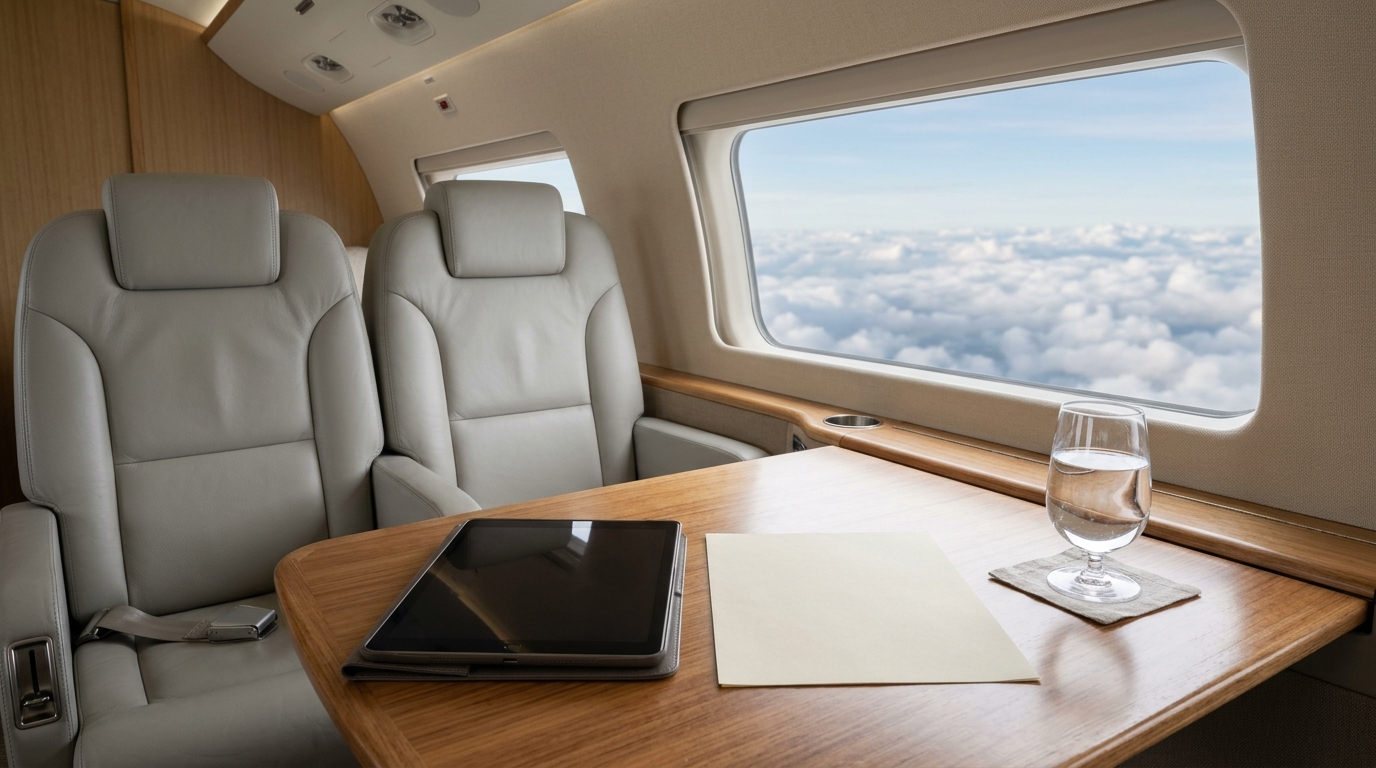
Aircraft come next. A Citation XLS+ has a 5 ft 6 in wide cabin and typically seats seven to eight; an Embraer Phenom 300E is 5 ft 1 in wide, five inches narrower, and typically seats six to seven. If the operator swaps one for the other, a party of eight no longer fits. Confirm the maximum passenger and bag count in writing before you pay.
Airports can change too. Farnborough may become Biggin Hill (EGKB) or Luton (EGGW) if routing or handling availability changes, and your road transfer moves with it. Ask for the permitted alternate airports in the quote.
Cancellation terms cut both ways. If the operator cancels because a full-price client takes the aircraft, you should receive a full refund, usually within five to seven working days, but not hotel costs or onward travel. If you cancel, many operators treat a confirmed empty leg as non-refundable, or charge 100 per cent inside 72 hours, because the sale was made at a thin margin. Neither position is unreasonable, but both must appear in writing.
A simple decision rule helps. If a 24-hour slip would cost you more than the saving, which is £4,800 on the Nice example (£12,000 less £7,200), book a standard charter instead. Discounted repositioning sectors suit trips with soft deadlines, such as a villa week or a leisure weekend, rather than a board meeting or a connection.
Empty Legs from the UK and Europe: Routes and Timing That Come Up Most Often
Most UK empty legs follow the weekend. Friday and Saturday bring outbound charters from London to the Mediterranean, so by Sunday evening and Monday morning those aircraft are heading home empty from Nice (LFMN), Palma (LEPA) and Ibiza (LEIB). Thursday and Friday carry the opposite flow, with jets positioning south to collect weekend returners.
Flight times and indicative prices from London for light and midsize jets, applying the same 30 to 50 per cent discount to the standard one-way range:
- London to Geneva (LSGG): about 1 hour 30 minutes; standard one-way £7,500 to £10,500; empty leg roughly £3,750 to £7,350.
- London to Nice (LFMN): about 1 hour 55 minutes; standard one-way £11,500 to £15,000; empty leg roughly £5,750 to £10,500.
- London to Ibiza (LEIB): about 2 hours 25 minutes; standard one-way £12,500 to £17,000; empty leg roughly £6,250 to £11,900.
Winter reshapes the pattern. On ski changeover Saturdays, aircraft arrive at Geneva, Sion (LSGS) and Chambéry (LFLB) with clients and often leave empty that evening or on Sunday, which makes Alpine-to-London sectors a frequent source of winter empty legs.
Large events work the same way. On the Monday after the Monaco Grand Prix in late May, aircraft that delivered clients on the Thursday and Friday leave Nice empty to start their next bookings.
Timing matters more than route. In our observation most positioning empty legs surface 24 to 96 hours before departure, so searching three weeks out shows little. Widen the search to every London-area business airport within 90 minutes' drive of you, usually Farnborough, Biggin Hill, Luton, Northolt (EGWU) and Stansted (EGSS), and you are choosing from five departure points rather than one.
How to Book an Empty Leg Through a Broker: Vetting the Operator, the Aircraft and the Terms
A broker earns its fee here by finding the sector early, then checking everything the listing does not say. Operators send availability to brokers through direct feeds and email notices, and those notices often expire within hours, so a broker watching them sees sectors that a public website may show a day late.
Vetting starts with the operator. The company named in the contract should hold a valid Air Operator Certificate from the UK CAA or an EASA state, and should carry a third-party safety rating such as ARGUS Platinum or Wyvern Registered. Ask for the insurance certificate, and check that passenger liability cover is stated in the document rather than promised verbally.
Then the aircraft. Insist on the registration (tail number) and confirm the exact model, age and cabin configuration. A Phenom 300E and a Citation XLS+ both cover London to Nice in about two hours, but they differ in cabin width, seating and lavatory arrangement. Check crew duty hours as well: a positioning leg that follows a long day can only be flown if the crew remain inside their legal limit, which is one reason sectors are cancelled at short notice.
Finally, the terms. Before paying, get five items in writing: the departure window and permitted alternate airports; the substitution clause, including the smallest cabin the operator may offer; every fee excluded from the headline price; the operator-cancellation refund timing; and your own cancellation charges. Payment is normally due within 24 to 48 hours of confirmation, so a broker who has settled these points before presenting the quote saves you the scramble.
The method is short: give your broker a two-day date window and every London-area airport you will accept, agree in advance the saving below which a standard charter is the safer choice, and confirm a sector only once the five written items are in hand. A listing that cannot supply them is a reason to wait for the next one.